
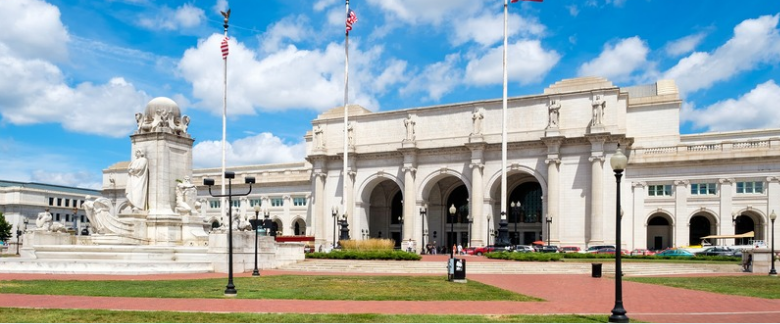
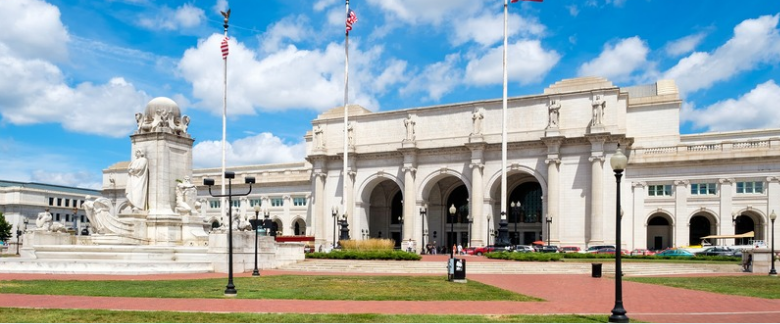
Washington Union Station stands proudly in the center of Washington, D.C., serving as one of the busiest and most beautiful train stations in the United States. It is not just a transportation point — it is a symbol of history, culture, architectural brilliance, and the movement of millions of travelers every year.
A Journey Through Time
The station first opened its doors in 1907, at a time when rail travel was the most powerful force connecting major American cities. Before Union Station was built, train passengers in Washington had to navigate multiple scattered terminals. The new station unified those rail lines, offering both structure and grandeur to travel.
The original design was created by architect Daniel H. Burnham, a name deeply respected in American architecture. His goal was to build more than a terminal — he wanted to construct a civic monument. And he succeeded. The building was heavily inspired by classical Roman architecture, including grand archways and towering columns modeled after ancient structures in Europe.
Over more than 100 years, Union Station has witnessed world events, welcomed presidents, sent off soldiers during wartime, carried people during the civil rights movement, and evolved into a modern travel hub while retaining its old-world elegance.
Architectural Beauty That Stops You Mid-Step
Union Station is widely regarded as one of the most impressive architectural transit buildings still operating today. The moment you walk into the main hall — often referred to as the Great Hall — you are met with massive ceilings, gold detailing, vaulted designs, and sculpted statues that give the space a museum-like feel.
Its unforgettable structure has also appeared in classic films such as No Way Out and the legendary political drama Mr. Smith Goes to Washington. The station continues to attract photographers, history lovers, architecture students, tourists, and travel bloggers who arrive simply to admire its artistic footprint.
The station’s outdoor area hosts Columbus Circle, a plaza that remains one of the most recognizable landmarks near the terminal, honoring explorer Christopher Columbus.
Train Services That Keep the Nation Connected
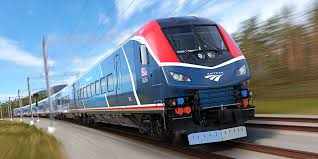
Union Station serves as one of the main stations for Amtrak, the national rail operator of the United States. It handles both long-distance and frequent regional train service. Some of its major train routes include:
Northeast Regional – Daily trains linking Washington, D.C. to Philadelphia, New York, and Boston
Acela Express – A premium, high-speed rail service running through the Northeast Corridor
Capitol Limited – Overnight trains connecting Washington to Chicago, stopping through Pittsburgh and Cleveland
Silver Meteor – One of the deepest southbound routes, running from D.C. toward Miami
The station is also highly important for commuter rail travel serving nearby states. Thousands of passengers rely on daily commuter lines operated by:
Virginia Railway Express (VRE) – Serving Northern Virginia suburbs
MARC Train Service – Covering major areas across Maryland
More Than a Station — A Travel Experience
Union Station is more than a transit building. Inside the halls, travelers can enjoy a wide variety of services and amenities that make journeys easier and more comfortable, including:
Multiple ticket counters and travel information desks
Spacious waiting lounges
Digital train arrival and departure boards
Retail shops such as Hudson News for snacks, travel accessories, and magazines
A huge food court offering casual dining and quick meals
A well-known bookstore, Politics and Prose, loved by literary enthusiasts and political readers
Public restrooms, accessibility support, and mobile charging spots
Many visitors also stay nearby for convenience. A famous and cozy accommodation option within walking distance is Phoenix Park Hotel, a well-known historic hotel that complements the station’s classical atmosphere.
Culture, Museums & Landmarks at Your Footstep
Union Station is perfectly placed for tourism. From the station, travelers can easily walk to:
National Postal Museum – A museum dedicated to postal history
Library of Congress – One of the largest libraries in the world
The U.S. Capitol – The seat of American democracy
Supreme Court Building – A key political landmark of law and justice
During peak seasons, the station also becomes the travel pulse for major national events like Christmas holiday commuting, Independence Day crowds traveling for celebrations, and Memorial Day travel surges.
Transit Options for Every Traveler
Once you step off your train, the connectivity continues smoothly through several local transit options:
Washington Metro rail system (direct entrance below the station)
Metrobus for citywide bus transfers
Taxi pickup zones available 24/7
Rideshare pickup hubs for Uber and Lyft services
Capital Bikeshare bicycle stations near the exit for eco-friendly travel around the city
Why Union Station Still Matters Today
air travel may dominate long-distance journeys now, Union Station remains a beloved, practical, and emotional travel landmark. Unlike airports, which feel rushed and temporary, Union Station carries a soul — one filled with history, human stories, and architectural sincerity.


Write a comment ...